
GOODSWIM
  • Home
  • About
  • Lessons
    • Lesson options
    • Outdoor sessions
    • Nipper Training
    • Bronze Medallion Training
    • Before and After
    • Gift Vouchers
  • FAQ
  • Contact/BOOK
  • Blog
  • Partners

GoodSwim Blog

Why Do Men Tend to Have Sinking Legs in Swimming?

23/12/2024

0 Comments

 
If you’ve ever watched a mixed group swim, you might have noticed a common pattern: men often struggle with keeping their legs afloat compared to women. This phenomenon isn’t just anecdotal—it’s rooted in science and anatomy. Let’s dive into why...
1. Differences in Body Composition
One of the primary reasons lies in the difference in body composition between men and women. Men typically have a higher percentage of muscle mass and lower body fat compared to women. Fat is less dense than muscle, which makes it more buoyant. Women’s bodies tend to have a slightly higher fat distribution in the hips and thighs, helping their lower body stay afloat more easily.
On the other hand, men’s denser muscles, especially in the legs, can act like anchors, pulling their lower body downward.
Picture
Picture
2. Center of Gravity
Men and women have different centers of gravity due to anatomical differences. Men’s center of gravity is usually higher (around the chest), while women’s is lower (closer to the hips). This affects balance and buoyancy in the water.

For men, the higher center of gravity can tilt the body downward, making it harder to maintain a streamlined, horizontal position in the water.
3. Flexibility Differences
Another factor is flexibility, particularly in the ankles and hips. Women tend to have greater flexibility in these areas, allowing for a more efficient kicking motion. Men, who often have tighter ankles and hips, may struggle to achieve the same fluidity, which can contribute to their legs sinking.
Picture
Picture
4. Swim Technique
While anatomy plays a significant role, technique also matters. A swimmer’s head and arm position greatly influence body alignment. If a man lifts his head too high or lets his arms drop during the stroke, it can create drag and push the legs downward.
Proper core engagement is also crucial. Many male swimmers rely too heavily on their arms for propulsion, neglecting the core muscles that help stabilize the body and keep the legs in line.

Solutions to Combat Sinking Legs
Fortunately, there are effective strategies to overcome sinking legs:
  • Focus on Body Position: Keep the head in a neutral position with the waterline at the forehead. Engage the core muscles to maintain a straight, horizontal line from head to toes.
  • Improve Kick Technique: Work on ankle flexibility and develop a consistent flutter kick. Use fins during training to practice proper leg movement.
  • Use Buoyancy Aids: Tools like pull buoys or swim snorkels can help men focus on alignment and build awareness of their body position.
  • Strengthen the Core: Incorporate core-focused exercises like planks and bridges into your dryland training to improve overall stability in the water.
  • Get Feedback: Seek advice from a coach or use video analysis to identify areas for improvement in your stroke and body alignment.

So, whether you’re training for your first ocean swim or looking to correct an inefficient stroke, remember that sinking legs are just a part of the journey and one you can overcome with the right approach.

​If you are looking to learn to swim or improve your swimming please contact me.
0 Comments

Cole Classic Ocean Swim 2023

11/11/2022

0 Comments

 
Picture

​How swim fit are you?

  • Have you ever wanted to do an ocean swim race?
  • Want to tick it off your bucket list but don't feel confident enough in the water?
  • Increase the challenge on the longer swim distances?
Then why not take part in the 2023 Cole Classic in February right here in beautiful Manly, one of Australia’s largest ocean swims.  

If you’ve been holding off participating in your first ocean swim then there is no better opportunity than the Cole Classic. The 1km swim is perfect for the newbies or a leisurely swim, whilst a step up to the 2km or even 5km ocean swim might be on the cards, if you're ready for the challenge?

There are many differences swimming in the ocean than in the pool, rips currents, waves, weather, marine life and another several thousand swimmers, ensure you increase your ocean awareness, learn some basic ocean water swimming techniques in the ocean environment.

HOW SWIM FIT ARE YOU?
If you would like some help to ease your anxiety, boost your confidence, learn some ocean skills, increase your fitness and swim your best on the day please get in touch.
If you are interested in swimming as part of a team for support then please contact Linda.
​
Contact Linda on 0404 245 825 or email on [email protected]

Photos from team GoodSwim 2020

Picture

0 Comments

THEMAGIC5 - do they live up to the hype?

19/8/2022

0 Comments

 
Picture
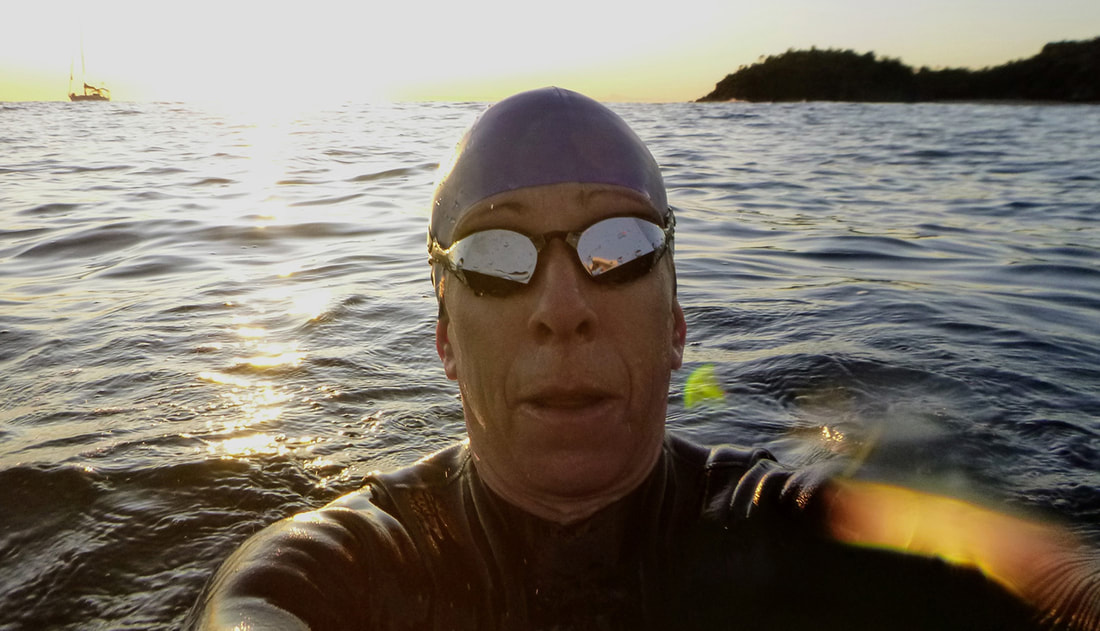
I swim a lot, obviously, it’s my job. Like everyone else I hate it when my goggles leak so I looked online for ‘better fitting goggles’. I ended up at Magic 5.
What makes Magic 5 special is they are custom 3D-printed to fit your face. Yup, you scan your face with an app and they make the google sockets to fit your face. Your custom goggles get posted to you and a few weeks later they arrive on your doorstep ready for your next swim. Magic!

I chose the Black Magic Mirror Silver goggles to combat that morning glare at sunrise but in hindsight not the best allround choice for me as the lens is too dark when looking underwater and not the best on those overcast or early mornings. My next pair will be clear so then I have a choice between them depending on light and activity.
Picture
Pros:
  • Very comfy
  • No need to adjust them
  • No leaking 
  • No big rings around my eyes after my swim, the eye piece is custom to your face
  • They come with multiple nose bridge clips so you can swap them out if the nose isn't quite right
  • They come in a hard case so they are protected when you pop them in your bag or in the car
  • Free shipping worldwide.
Picture
Cons
  • Price - These aren’t the cheapest goggles on the market but they are not the most expensive either. Considering I use them multiple times daily, they are an important piece of kit for my job
  • Fogging, unfortunately there isn't a google manufacturer in the world that has mastered the fogging issue but they are better than most of my recent pairs from other brands
My personal review:  
I really liked the comfortable fit and for that reason I will buy them again. I got in touch with the retailer and they have provided me with a discount code for my swimmers. They kindly sent me a free pair to test out, hence the above review.

If you are interested in trying the Magic 5 goggles for yourself then get in touch,
​I can give you the GoodSwim discount code and you get 35% off!

​If you are serious about your goggles, these are worth a go.

Happy swimming.
Linda
Picture
0 Comments

Don’t touch the inside of your googles!

17/6/2022

0 Comments

 
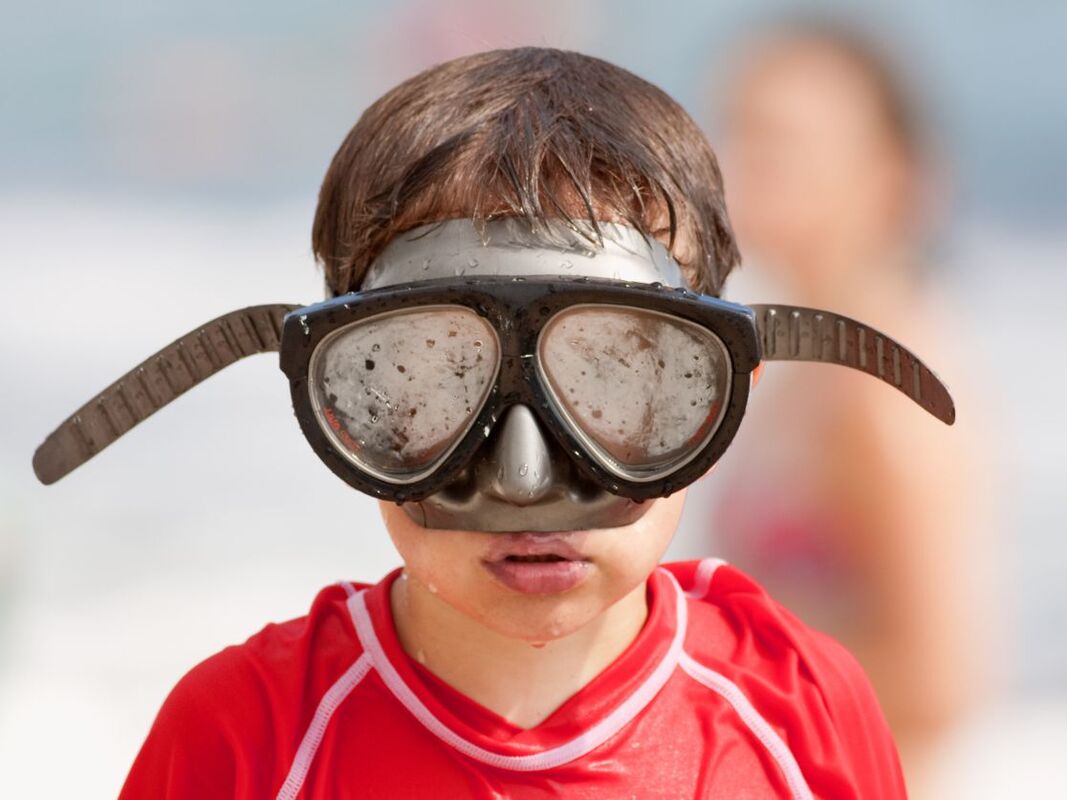
I see so many swimmers wiping the inside and it literally kills the life span of your googles but it also comes down to maintenance, can you be bothered to do the right thing by your goggles?

I have always struggled to find a good pair of goggles that last the distance and when you are in and out of the water multiple times a day you want a pair to rely on. There is nothing worse then heading out on a swim and you have to keep stopping to flush your foggy goggles. But I have to admit I do not look after mine very well. I am super careful when they are new and after the first outing I rinse them, put them back in there case like a good swimmer. Then I get a little blasé with them and I end up throwing them in my swim bag or wrapping them inside my swim cap without drying them and wonder why they go foggy so quickly.
Picture
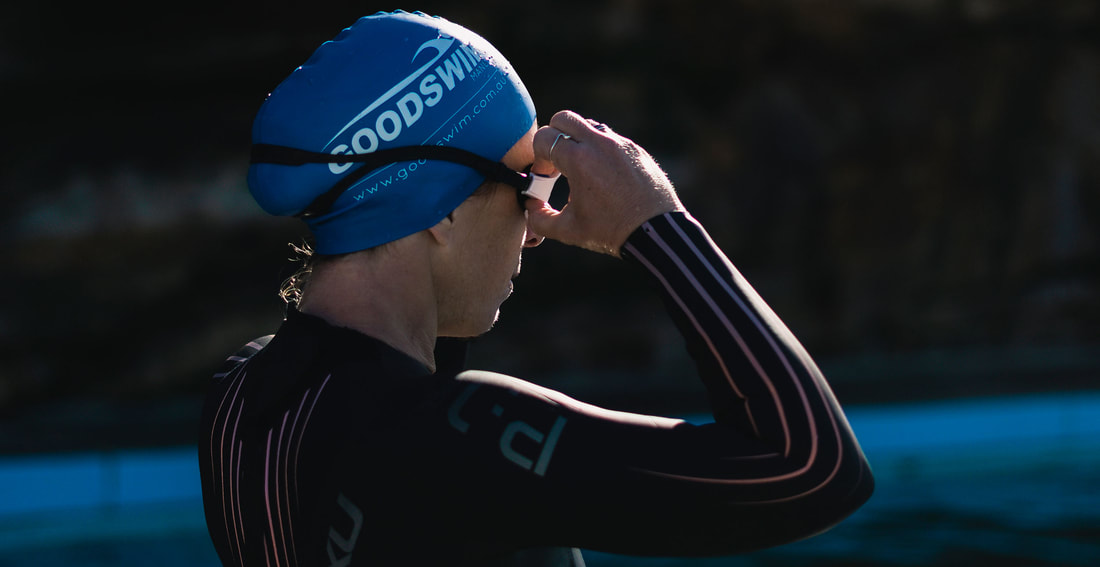
GOGGLE CARE 101
​
There is an antifog coating on your goggles which you basically wipe away every time you touch the inside lense.
This is a very thin and delicate layer and how long it lasts depends on how you treat and look after your goggles. Therefore, it is very important that you DO NOT TOUCH THE INSIDE OF YOUR GOGGLES with anything, so no fingers, towels, etc.
Fogging happens due to the difference in temperature between the air inside your goggles and the air temperature outside. The fog may clear by itself once the temperature difference has reduced, if not don't succumb to the temptation of just giving them a little, soft wipe, just dip your goggles in the water to clear the lense. DO NOT CLEAR OR RUB THEM WITH YOUR FINGERS!​
Picture
If not rinsed after use then chlorine and salt will build up on the surface of the lens and over time this will leave a film that will affect the anti-fog coating. As part of your maintenance always rinse your goggles with fresh water when you get out. Store your goggles away in the case to prevent scratching them and where possible allow them to air dry fully.
DO NOT RUB THEM DRY WITH YOUR TOWEL!
SUMMARY:
  1. Don’t touch the inside or outside of the lens.
  2. Rinse the goggles with fresh water after every swim.
  3. Let your goggles air dry before packing them.
  4. Store them in a protected case (like you do for sunglasses).
Please note: Even when impeccably used, maintained and stored swimming goggles wear out and lose their effectiveness over time and so replacing them is inevitable. Goggles can have a short lifespan when used regularly but good maintenance can slightly increase their longevity.
Picture
HAPPY SWIMMING
0 Comments

The benefits of swim training for surfers.

12/7/2021

1 Comment

 
Picture
Surfing fitness and paddling are one and the same as being able to swim. The benefits of being able to swim, especially ocean swim are numerous.

​Anyone who surfs knows that paddling endurance is essential, arm, shoulder, core and basic overall strength and flexibility. We spend more time paddling than we do actually surfing on a wave. Plus, all leashes can break at some point so being a strong swimmer is crucial, especially if you are heading out into bigger waves.

Swimming requires plenty of stamina but surfers require stamina plus short bursts of energy and strength for paddle power to get out the back and onto waves. Because of this, surfers need something different from just traditional swim training if you want to build up stamina to continue paddling for wave after wave. Ideal training for surfing is swimming laps in a pool but you need some variation with drills. The best surfers in the world are all excellent swimmers. Get some good goggles and hit the pool and imagine yourself at the backline on a big day without a board. Designing your swim programs to help your surfing makes it easier to get motivated to jump in the pool and train. 

Due to the physical nature of surfing, pool training usually involves some kind of breath work to improve lung capacity, cardiovascular health, which also helps in keeping calm through wipeouts. Yoga training also helps the body make efficient use of oxygen, as well.
Picture
Swimming and surfing may have a lot in common, but they're far from the same sport. ... Although, swimming laps can help surfers gain some paddling fitness, stamina and breathing capacity. A program that challenges those areas along with some ocean swimming can be hugely beneficial for your confidence as well.
Swimmers and surfers use essentially the same muscles for propulsion but for different purposes and in slightly different ways. Freestyle swimming involves pulling the body through the water, keeping the body line long and straight while rotating the torso and kicking with the legs for more propulsion.
Paddling a surfboard is similar to freestyle swimming with regard to the 'pulling' part of the stroke.  Like swimming, the powerful muscles of the lats, back, arms and core are constantly engaged to paddle while keeping the body on the board and the head up.
Example drill sets:

  • Warm up 200 metres light swimming, then 200 metres medium pace swimming.
  • Swim 50 metres with clenched fists, then swim 50 metres  back with paddle hands and repeat once more.
  • Swim 5 arm strokes with your head out of the water then drop your head swim 5 arm strokes, repeat for the full 50 metre lap.
  • Swim front crawl breathing every 5 arm strokes This will also be a form of breath training for hold-downs.
  • Once you have finished your first set and rested, then try breathing every 7 arm strokes. This is more demanding and you may need to give yourself additional rest.
  • The final set is straightforward, try sprinting for as long as you can with your head down, no breathing and then swim easy breathing normal to the end of the pool to complete the lap.
  • With all swim sessions you should try to swim down for 200 metres light swimming.
Picture
If you want an individual swim program to help improve and enhance your surfing fitness and breath control 
​contact me to discuss.
Picture
Picture
1 Comment

Swimming Wetsuits

25/3/2021

1 Comment

 
Picture
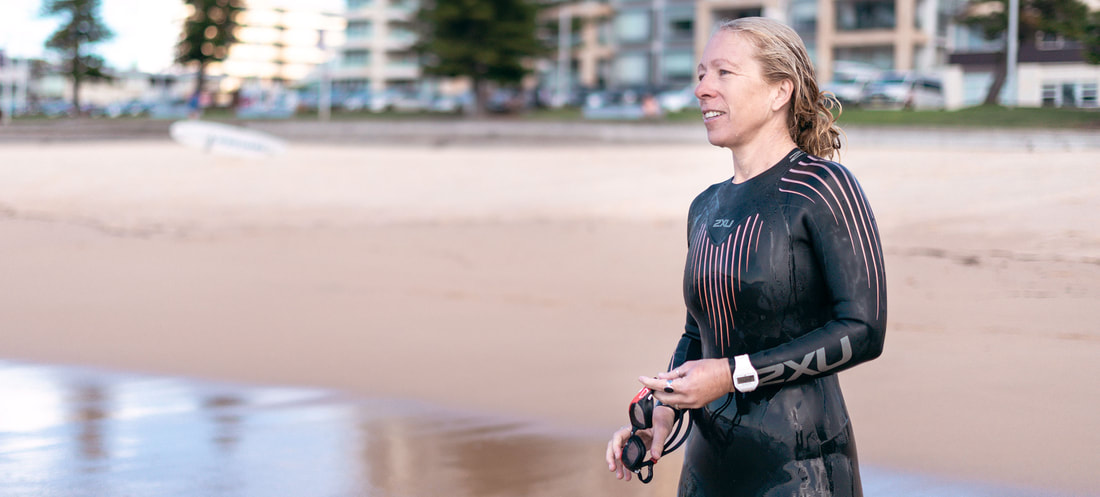
Photos courtesy of www.maggielangtry.com.au

Are you looking to buy a wetsuit for open water/ocean swimming?

It’s Autumn, the sunrises are epic but it means the water will inevitably start to cool down soon. 

As a swim coach I spend a lot of time in the water and my wetsuit is an important piece of kit.
 
I wear a wetsuit for many reasons but number one is warmth, your core temp can drop very quickly in cool water, especially if you’re teaching and not actually swimming. Another reason is comfort. A wetsuit can also improve and help your speed and confidence through buoyancy.
 
As a regular surfer and swimmer I’ve tried a few wetsuits over the years and they vary greatly.
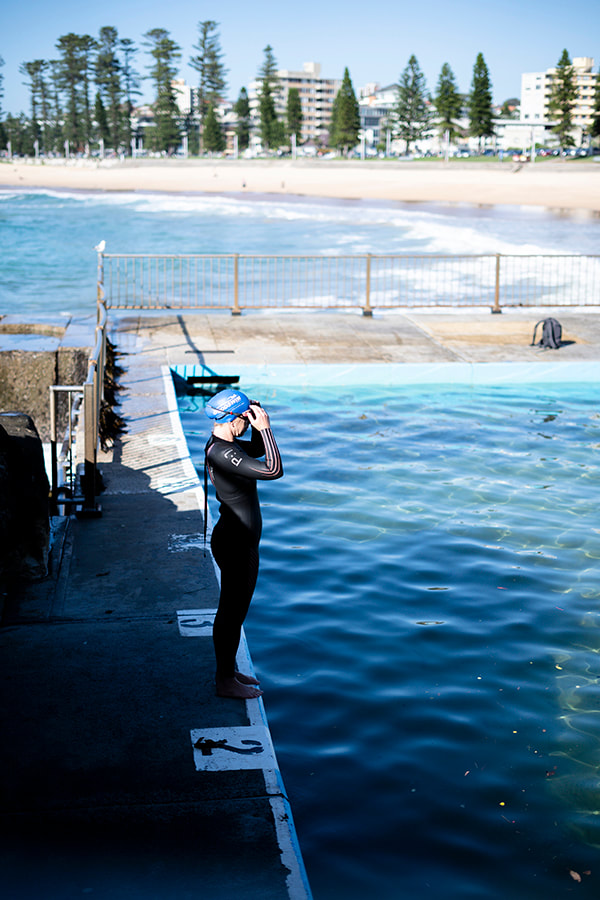
For swimming (ocean pool or open water) I prefer to wear a 2XU brand wetsuit as I like the fit, material and comfort, there are of course many brands on the market for you to explore, I’m not endorsing any particular brand here, it comes down to what fits best and works for you (including price).

A wetsuit's primary purpose is to keep you warmer, which can help you stay comfortable in the water for longer and reduces your risk of hypothermia. A wetsuit can also provide the extra lift you need, which will make it easier for you to float as you calm down and focus on lowering your heart rate. 

Remember, a wetsuit is not designed to keep you completely dry. They work by trapping a thin layer of water between your body and the wetsuit material, letting your body warm the water to a comfortable temperature. The thicker your wetsuit, the longer and warmer your body will remain in the water.

Flexibility, one of the most important features of a wetsuit that’ll help you move freely in the water. If you use a regular wetsuit for swimming, this added flexibility and the ability to move your arms and legs freely, will be restricted.
 
Swimming wetsuits are designed to be highly flexible in all the right places to ensure your swimming is effortless. Your wetsuit should fit comfortable against your skin, without restricting arm, leg or body movements but snug enough that water can't easily get in.
 
Wetsuit thickness is measured in millimetres, represented with two numbers separated by a slash. The first number represents the thickness of the neoprene in the torso area, the second number represents the thickness of the neoprene in the extremities. 

Fit and comfort are the most important considerations when it comes to buying a wetsuit. You may have a $1,200 wetsuit but if it doesn't fit correctly then you won't comfortable, warm or efficient.

Swimming wetsuit should:
1. Have no excess material or extra folds.
2. Be comfortably snug but not too tight.
3. Provide a full range of motion in arms and shoulders.
4. Feel comfortable and not too tight around the neckline.

Unlike traditional surfing wetsuits, open water or swimming wetsuits are designed to allow for more flexibility and range of motion in the water. This helps you to swim without feeling restricted in any way possible.

A good wetsuit will play an important role in enabling you to swim through winter, if you dislike the cold like me. Whether you are swimming for recreation, training or racing, wetsuits provide you with additional features and benefits that will not only keep you warm but can help your swimming.
If you are looking for some advice and help with choosing a wetsuit - please shoot me an email
Picture
Wetsuits are designed to give you a sleeker profile in the water, helping you swim more efficiently. Different thickness of neoprene on the torso and legs makes you more streamlined, and a special coating reduces friction and increases speed.
Picture
1 Comment

Swim more, surf longer

31/7/2020

0 Comments


Swimming for surfers

No matter how much you want to surf, sometimes there are days when going out is just not an option.
So what to do...?

​
Swim! 
When conditions due to weather or otherwise make surfing impossible, keeping in shape for surfing is best achieved by staying in the water. Swim sessions are strong workouts for surfing, such as paddling and breath control.
A basic swimming program each week can allow you to progress with your fitness through those flat or howling onshore wind days. Interval swim training can improve your fitness which is also highly important for those days when your duck diving and paddling just goes on and on. Following a program of swimming will have you feeling the benefits within just a few weeks.
​
Picture
When?
Anytime your not surfing! If the ocean is not playing nice, then jump in an ocean pool. Up and down the coastline we can access many stunning ocean pools.

Where?
Wherever is available to you. Ocean, ocean pool, indoor pool - different bodies of water have different conditions and accessibility.
Picture
​What?
Aim to develop a program which works for you at your current level of swim fitness which increases intensity as your skills develop. Swim training is the best way to prepare for those wipe outs, hold downs and possible swims back to the shore if your leash breaks. Being comfortable and confident in your skills in the ocean is essential if you want it to be your playground.
Picture
How?
Freestyle swim is the basic stroke you should already have in the bag if you are a surfer. If not then I would highly recommend you get yourself some lessons. If you cannot swim to shore and save yourself then you shouldn’t be in the ocean full stop.
Picture
Skills?
It is a good idea to mix up your program to keep it interesting and prepare your body for different conditions and circumstances in the ocean.
  • Interval swim training: low and high intensity laps to work on breath control, fitness and stamina.
  • Underwater laps: building up your lung capacity for wipe outs, hold downs and duck dives.
  • Treading water: incorporate this into your program to build lower body strength and stamina for those times when your leash breaks or helping out another surfer.
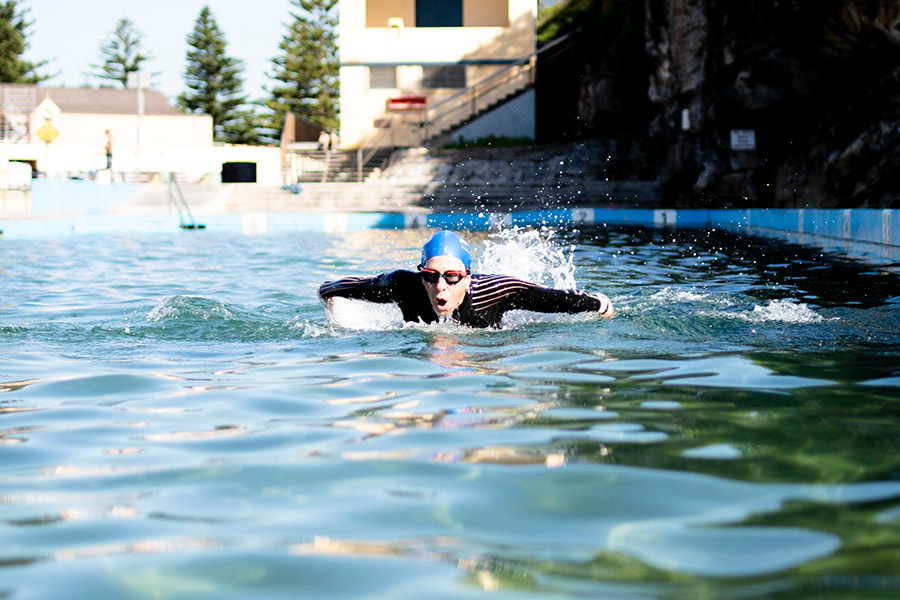
  • Mix up your strokes: build into your program some laps of the other 3 swim strokes. Butterfly is not a stroke you will relay on in ocean situations but it is great for building strength and is a great challenge for most. Both breaststroke and backstroke are strokes that can be used for calming down your breath, resting, conserving energy and regaining composure in intense situations.
  • Body surf: learning to body surf and use the energy of the waves to your advantage can save you many metres of swimming.
Picture
Picture
Picture
Feel comfortable and confident with your ability and skills in the ocean.
​Contact Linda for Learn to Swim, Introduction to Ocean Swimming, Ocean Swim Skills and Stroke Correction lessons.
0 Comments

    Archives

    January 2025
    December 2024
    November 2024
    October 2023
    August 2023
    November 2022
    October 2022
    August 2022
    June 2022
    March 2022
    October 2021
    August 2021
    July 2021
    June 2021
    March 2021
    February 2021
    August 2020
    July 2020
    May 2020
    March 2020
    February 2020
    June 2019
    May 2019
    April 2019

    Categories

    All
    Breathing Technique
    Cabbage Tree Bay
    Cold Water Swimming
    Cole Classic
    Freestyle Kicking
    Learn To Swim
    Ocean Marine Life
    Ocean Swimming
    Stroke Correction
    Surf Paddling
    Surf Skills
    Surf Swimming
    Swim Goggles
    Swimming Drills
    Swimming Fitness
    Swimming Wetsuits
    Swim Programs
    Swim Wetsuits
    What Clients Say...

    RSS Feed

Home
About
Lessons
​Indoor Pool Lessons
​
Outdoor/Ocean lessons
Nipper Training
FAQ's
Gift Vouchers
Contact
Bronze Medallion Training
Blog
Partner Discounts
​
Disclaimer
Telephone: 0404 245 825
​email: [email protected]
Linda Goodwin - open water swimming instructor ABC radio interview
Picture
Picture

  • Home
  • About
  • Lessons
    • Lesson options
    • Outdoor sessions
    • Nipper Training
    • Bronze Medallion Training
    • Before and After
    • Gift Vouchers
  • FAQ
  • Contact/BOOK
  • Blog
  • Partners